Our Story
History lives here
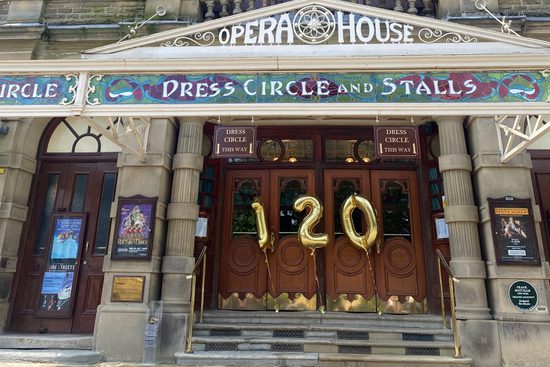
For over a century, Buxton Opera House has stood as a beacon of performance, passion, and resilience. The Pavilion Arts Centre is Buxton’s oldest surviving theatre. Together, these well-loved venues are at the heart of Buxton’s vibrant arts scene.
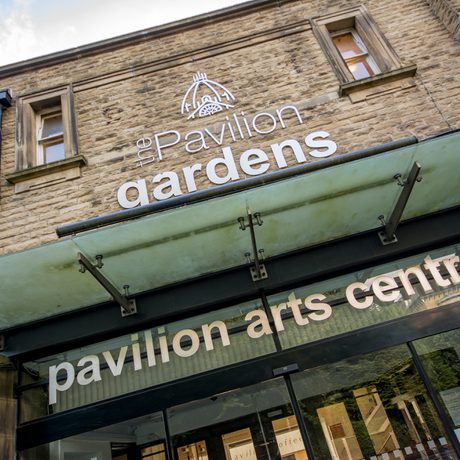
The Pavilion Arts Centre has been part of Buxton’s cultural life since it first opened as the Entertainment Stage in 1889. Designed by local architect William Radford Bryden for the Buxton Gardens Company, it has served many roles over the years, from a theatre to a silent cinema and back again.
Throughout its history, the venue has had several names:
- The Hippodrome (from 1903)
- The Playhouse (from 1932)
- The Paxton Suite (from 1979)
Each name marks a new chapter in its story. In 2010, it was redeveloped and renamed the Pavilion Arts Centre, now managed by the High Peak Theatre Trust, alongside Buxton Opera House.
a { text-decoration: none; color: #464feb; } tr th, tr td { border: 1px solid #e6e6e6; } tr th { background-color: #f5f5f5; }
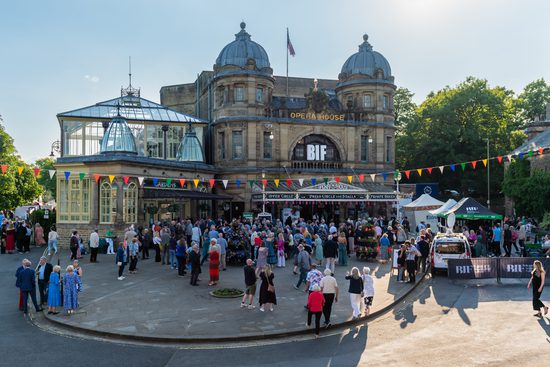
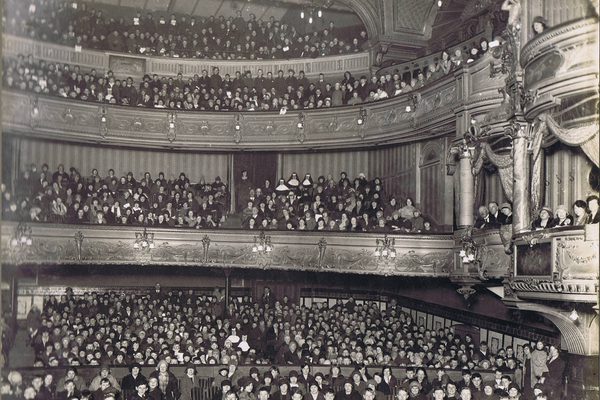
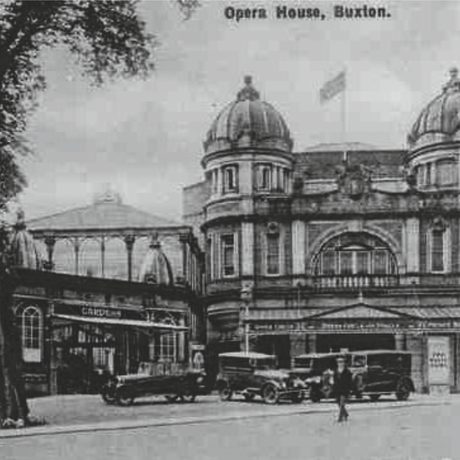
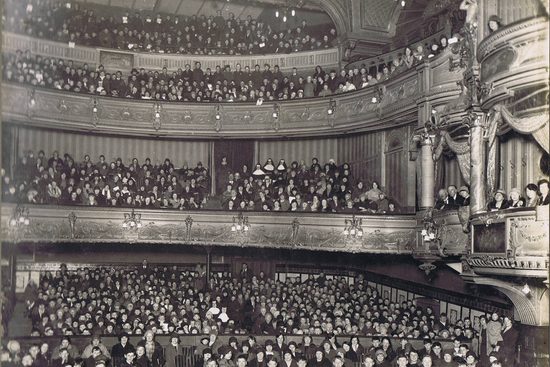
Next door, Buxton Opera House opened in 1903. Designed by the renowned theatre architect Frank Matcham, the theatre launched with a specially written prologue and went on to host a varied programme of plays, Shakespeare, ballet, and touring West End productions in the years that followed.
In 1925, Hollywood stars Mary Pickford and Douglas Fairbanks joined the audience to see Anna Pavlova perform her haunting Dying Swan.
As times changed, the Opera House adapted and became a cinema in 1927 during the golden age of film. But by the 1970s, it had fallen silent. Thanks to a passionate local campaign, supported by poet John Betjeman, the theatre was restored and reopened in 1979. This marked the beginning of the Buxton International Festival, which continues to thrive today.
Frank Matcham - Architect
Renowned theatre architect Frank Matcham was commissioned to design and build the Opera House. Other Matcham theatres include London’s Victoria Palace, The Coliseum, London Hippodrome, The London Palladium, and the Blackpool Tower Ballroom.
John Willoughby – Founder
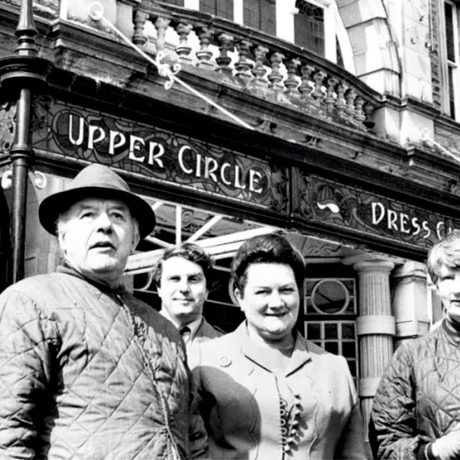
Buxton Opera House was commissioned by John Willoughby, the first manager of the Pavilion Gardens and Secretary of the Buxton Gardens Company. Following in his footsteps his son, Arthur Willoughby, became the theatre’s first manager. To honour the family’s contribution, the Upper Circle bar is proudly named The Willoughby Bar.
Image gallery



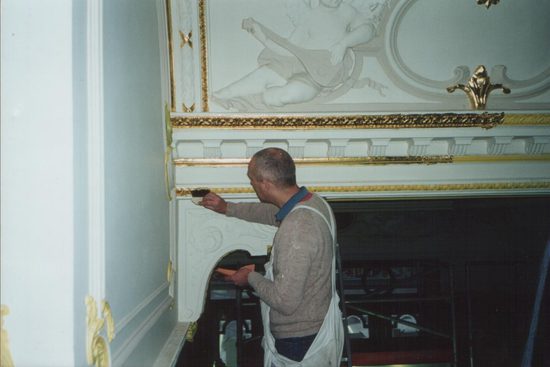
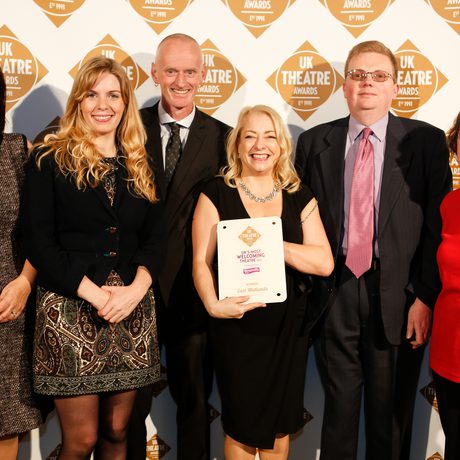
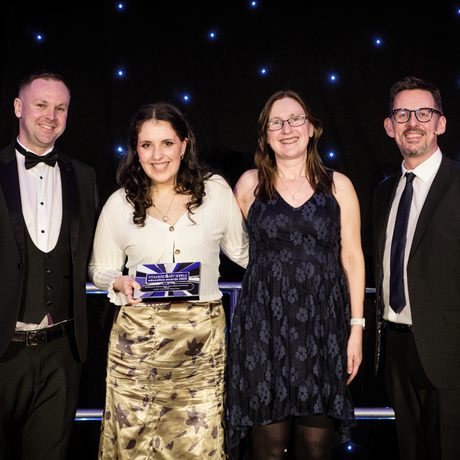
Since the restoration, Buxton Opera House has gone from strength to strength. We've welcomed royal visitors, won national awards, and celebrated the reopening of the Pavilion Arts Centre in 2010.
Even during the pandemic, Buxton Opera House stayed active and creative, thanks to support from Arts Council England.
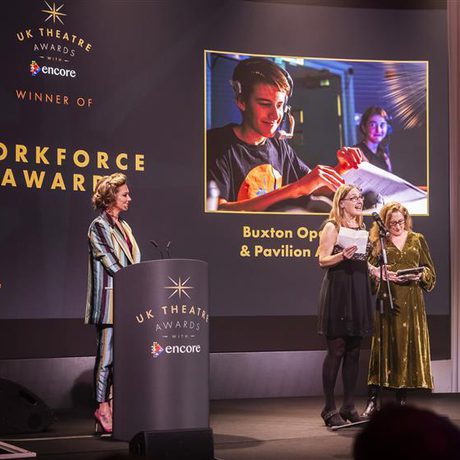
In 2023, we were recognised as a National Portfolio Organisation, highlighting our growing work in education and community engagement. This includes national awards for early years education and developing the creative workforce.
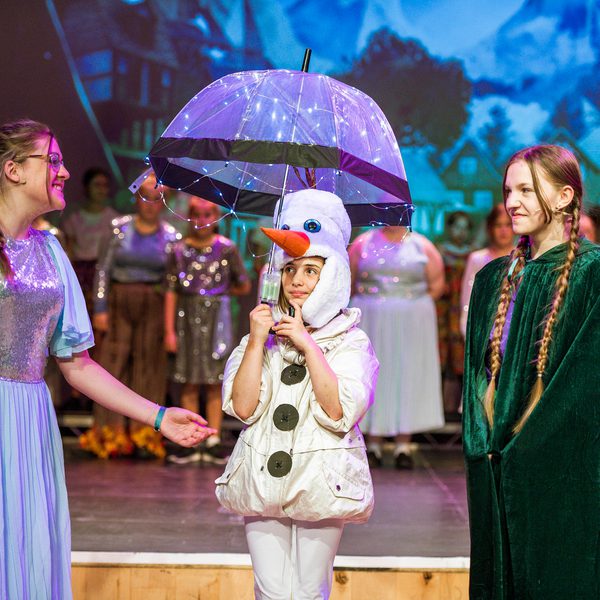
Today with 450+ shows annually, and as home to Buxton International Festival and the International Gilbert & Sullivan Festival, we bring world-class live entertainment to 220,000+ visitors per year. We produce and co-produce original work, from bold new writing to beloved classics, staged in Buxton and beyond. Our Buxton Opera House Creates community and engagement programme engages 2,680+ participants per year, fostering connection and well-being across the High Peak, inspiring future arts professionals and audiences, and enriching lives through opportunities to enjoy creative experiences, make art, and grow personally. We aim to offer everyone the chance to develop and discover new passions and skills.
With major new funding from The National Lottery Heritage Fund (2025), we’re building a bold future for generations to come.